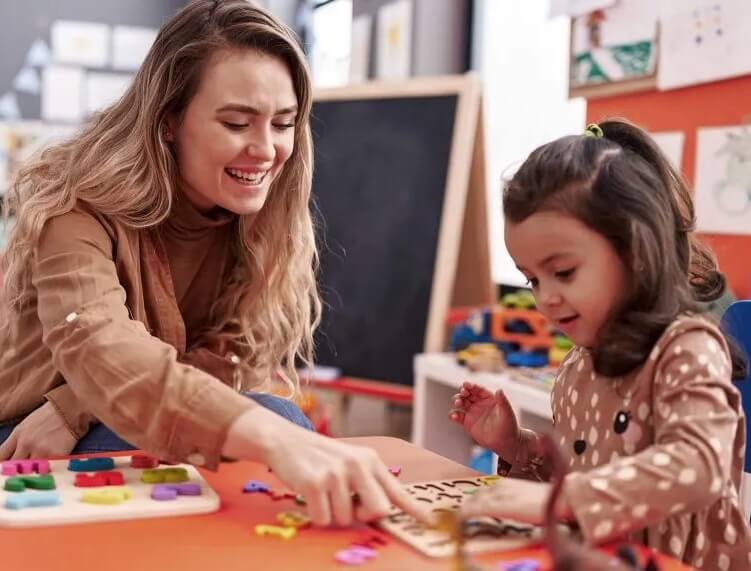
What Is the Preschool Experience, Really?
The preschool experience is so much more than learning the alphabet or sitting in circle time. It's the first chapter of your child's school life, the place where they begin to discover who they are outside the safety of home, and the first taste of belonging to a community of their own.
For most children, the preschool experience starts somewhere between ages three and five. For most parents, it starts with a complicated mix of excitement, pride, and quiet anxiety. This article walks through what the preschool experience really looks like, what your child will gain, and the moments that make it unforgettable.
The Difference Between Daycare and a True Preschool Experience
Daycare is about safe, loving supervision. A true preschool experience adds intention. There's a curriculum, a structured rhythm to the day, and goals tied to early childhood development. Both are valuable, but they serve different purposes. The best programs blend the warmth of quality childcare with the depth of a real preschool experience.
Why the Preschool Experience Matters at Ages 3 to 5
Between ages three and five, children's brains develop faster than at any other point in their lives. The preschool experience plugs into that window with stories, songs, social play, art, and gentle structure. It builds the foundation for everything from reading readiness to emotional regulation. Done well, this experience shapes how a child sees school, learning, and themselves for years to come.
The Emotional Side of the Preschool Experience
Before we talk schedules and curriculum, it's worth pausing on the feelings. The preschool experience is emotional for everyone involved, and pretending otherwise doesn't help anyone.
Your Child's First Days
Some children skip in on day one. Others cling, cry, or quietly retreat. Both are normal. Your child is processing change, meeting a roomful of strangers, and learning that home isn't the only safe place. Most children settle into the preschool experience within two to four weeks.
The Parent's Experience Letting Go
You may walk back to the car and quietly cry. You may feel an unexpected pride watching them join the line. Both are valid. The parent's side of the preschool experience is its own quiet milestone, and it deserves acknowledgment.
How Children Process Change
Preschoolers process change through play. They'll act out drop-off scenes with stuffed animals. They'll ask the same question ten times. They may regress slightly at home before adjusting. All of this is part of the healthy preschool experience.
A Day in the Life: What the Preschool Experience Looks Like
Every program is different, but a typical preschool experience follows a rhythm something like this.
Arrival and welcome
Children are greeted by name, find their cubbies, and ease into free play while their classmates arrive. This soft start is one of the most important parts of the preschool experience.
Circle time and learning stations
Songs, calendars, and stories anchor circle time. Then children move into small-group stations covering literacy, math, art, and sensory play.
Outdoor play and movement
Running, climbing, riding, jumping. Physical development is a foundational part of the preschool experience and balances the focused learning of earlier blocks.
Lunch and rest time
A shared meal teaches social skills, healthy eating, and self-care. Quiet time follows, with rest mats and soft music for children who still nap.
Discovery and pickup
Open exploration, science experiments, dramatic play, or themed projects round out the day. By pickup, children are usually full of stories, art, and energy.
What Children Gain From a Great Preschool Experience
A great preschool experience produces visible changes you can watch happen month by month.
Social and emotional growth
Sharing, taking turns, expressing feelings, and forming friendships. The preschool experience is where these skills first take root.
Early literacy and numeracy
Letter sounds, number recognition, counting, patterns, and a love for books. The seeds of reading and math grow here.
Creativity and self-expression
Art, music, dramatic play, and storytelling give children dozens of ways to express what they're thinking and feeling.
Independence and confidence
Hanging up their own coat. Pouring their own water. Solving small problems. Confidence built here lasts a lifetime.
Kindergarten readiness
By the end of the preschool experience, most children are ready academically, socially, and emotionally for kindergarten.
What Parents Experience During the Preschool Year
The preschool experience is a journey for parents too. Here's what most families go through.
First Two Weeks
Adjustment and uncertainty
You watch your child closely. You wonder if drop-off will get easier. You check your phone for updates. This is the most emotionally intense part of the preschool experience for parents.
First Month
Settling into communication rhythms
You learn what daily photos to expect, when teachers reach out, and what to ask your child after school. Routines start to feel manageable.
Months Two to Six
Watching them grow
Your child starts coming home with new vocabulary, new friends, and new opinions. You realize the preschool experience is shaping someone you haven't fully met yet, and it's wonderful.
End of Year
Becoming part of a community
By year's end, you know other parents, teachers know you, and your child has a whole second world that's their own. That sense of belonging is one of the quiet gifts of the preschool experience.
The Difference Between a Good and Great Preschool Experience
Every licensed preschool meets a baseline. But the difference between a good and a great preschool experience comes down to four key areas.
How to Create the Best Preschool Experience for Your Child
You play a bigger role in your child's preschool experience than you might think. Here's how to make it as positive and rich as possible.
-
Prepare at home Talk about preschool with warmth and curiosity. Read books about starting school. Practice the morning routine before day one.
-
Establish a goodbye ritual A consistent goodbye, a hug, a high-five, a shared phrase, gives your child closure they can count on every morning.
-
Trust the process Tears at drop-off don't mean the preschool experience is bad. They mean your child is processing change. Give it two to four weeks before drawing conclusions.
-
Stay engaged without hovering Ask about specific moments ("Who did you sit next to at lunch?") rather than general questions ("How was school?"). Be present without being intrusive.
The Northstar Preschool Experience in Utah
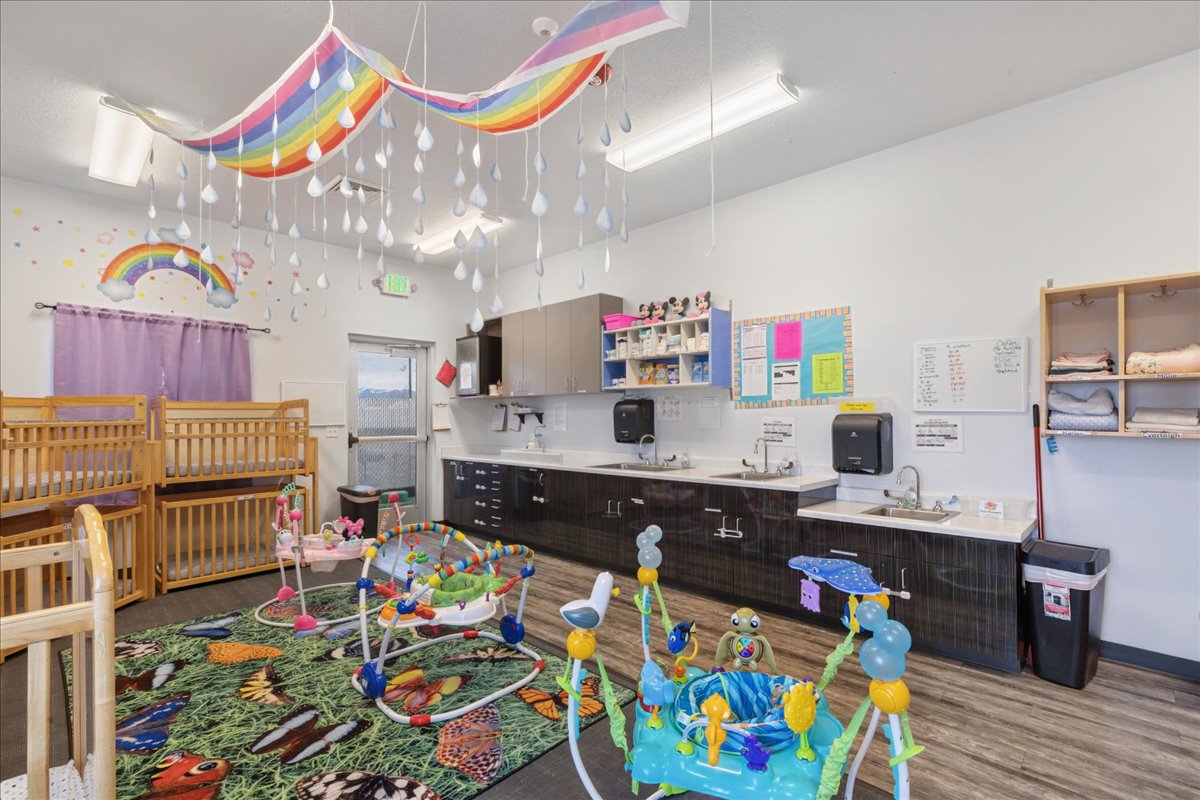
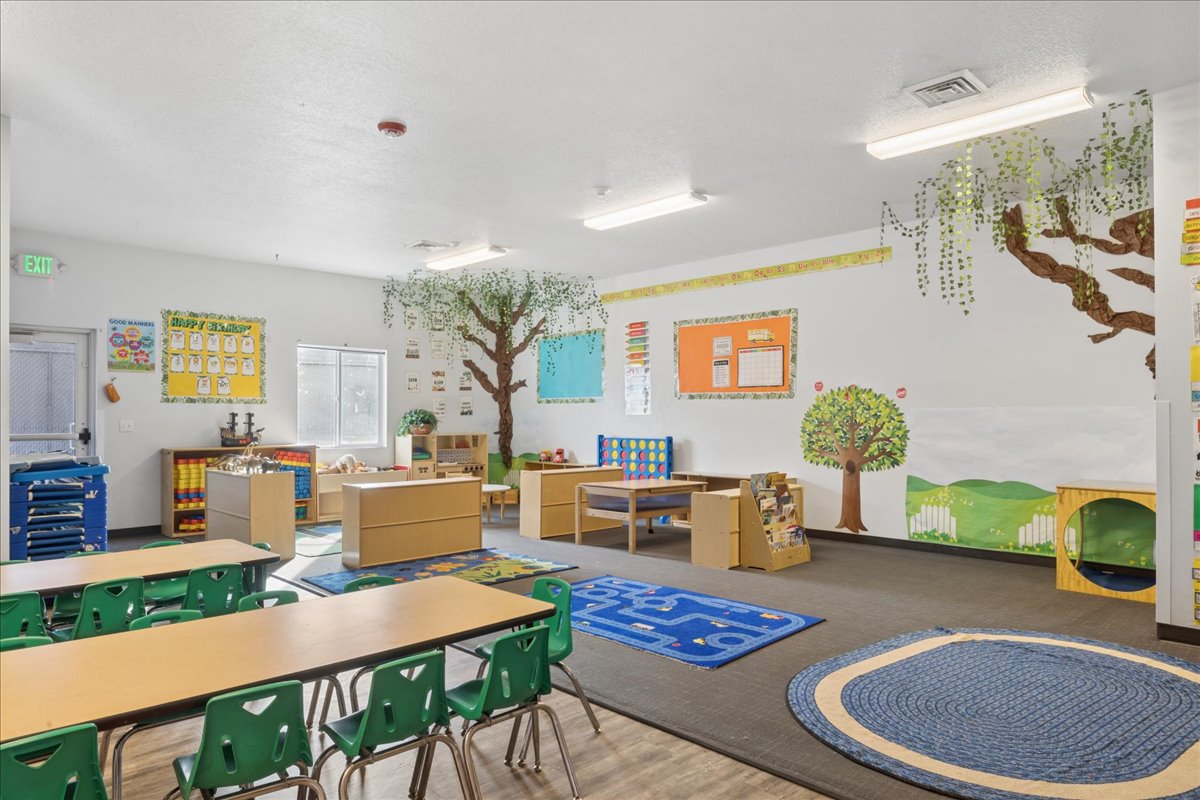
At Northstar, we design every part of the day around what a great preschool experience should feel like for both the child and the parent. Calm mornings, intentional learning, kind teachers, and communication that keeps you connected to your child's world.
How we design every day
Each Northstar day blends play, learning, movement, and rest in carefully balanced blocks. Our teachers know every child by name, and our parent app delivers photos and updates throughout the day.
What our parents say
Families across Pleasant View, Roy, Ogden, and the surrounding communities trust Northstar with their child's earliest school memories. We take that trust seriously, every single day.
What Northstar Parents Say About the Preschool Experience
By month two, my son was running into the classroom. The teachers knew exactly how to make the preschool experience feel like home.
The daily photos changed everything. I felt connected to my daughter's whole day, even from my office.
We toured five preschools. The calm and warmth at Northstar made the choice obvious. The whole preschool experience just felt right.
My daughter came home talking about her teachers like family. That's exactly the preschool experience I wanted for her.
Frequently Asked Questions About the Preschool Experience
How long does it take a child to settle into preschool?
Most children adjust to the preschool experience within two to four weeks. Some settle in by day three. Others need a full month. Both are normal. The key is consistency at drop-off and a daycare or preschool team that handles transitions with patience.
Is it normal for my child to act differently after preschool?
Yes. Children expend enormous energy navigating the social and emotional demands of the preschool experience. Some come home extra clingy, extra silly, or extra tired. Quiet meltdowns at pickup are common and usually a sign of a child who held it together all day.
What if my child doesn't enjoy preschool at first?
Give it time. Most children warm to the preschool experience over the first three to four weeks. If concerns persist beyond that, talk to teachers about what they're observing. It may be a fit issue, a transition issue, or simply more time needed.
How can I support my child's preschool experience at home?
Read books about school. Talk about teachers and friends by name. Ask specific questions about their day. Praise effort over outcome. And most importantly, model calm confidence at drop-off, your child takes emotional cues from you.
When does the preschool experience start to feel normal?
For most families, the preschool experience starts feeling normal somewhere between weeks four and six. By month two, drop-off is usually easy, communication rhythms are established, and your child is genuinely excited to go to school each morning.
How is the preschool experience different from kindergarten?
The preschool experience is more play-based, more flexible, and more focused on social-emotional development. Kindergarten introduces more structured academics, longer focused work, and formal expectations. A great preschool experience prepares children gently for the kindergarten transition.
Ready to Begin a Joyful Preschool Experience?
Tour Northstar in Pleasant View or Roy. See what a calm, intentional, warmly run preschool experience really looks like for both you and your child.