Why Preschool Programs Matter More Than People Realize
Most parents assume preschool programs are about kindergarten readiness. They are, but only at the surface.
What's really happening inside a quality preschool program is something deeper. A child's brain is wiring itself for everything that comes next — confidence, empathy, curiosity, persistence, the ability to make a friend or solve a problem.
These are not optional extras. They are the actual curriculum, even when nobody calls them that.
By age five, roughly ninety percent of brain development is already complete. The years between three and five are not a warm-up for school.
They are some of the most consequential years of a child's entire life. The right preschool program treats them that way.
Signs your child is ready
- Curious about other children and watches them at play
- Can separate from a parent for short periods
- Follows simple two-step directions
- Communicates basic needs with words or gestures
- Manages bathroom routines with light support
- Shows interest in books, songs, and stories
Signs to wait a few months
- Strong separation anxiety beyond age-typical levels
- Easily overwhelmed in group settings
- Limited expressive language for needs
- Still mid-transition with bathroom independence
- Has not yet had any peer interaction experience
- Recent major life change (move, new sibling)
Understanding Preschool Program Curriculum Approaches
Walk into ten different preschool programs and you'll find ten different approaches to teaching. Some are play-based. Some are academic. Some follow philosophies that have shaped early childhood education for a century. Understanding the major approaches helps you ask better questions and find a program that fits how your child actually learns.
At Northstar, our preschool programs follow a whole-child approach. We believe young children learn best when literacy, math, art, music, social skills, and movement are woven together — not pulled apart into rigid subjects. The result is children who arrive at kindergarten not just prepared, but genuinely excited to learn.
A child's first classroom should be a place where curiosity is taken seriously, where questions are welcomed before answers, and where every small discovery is treated as the beginning of something bigger.
What a Day Inside Our Preschool Programs Looks Like
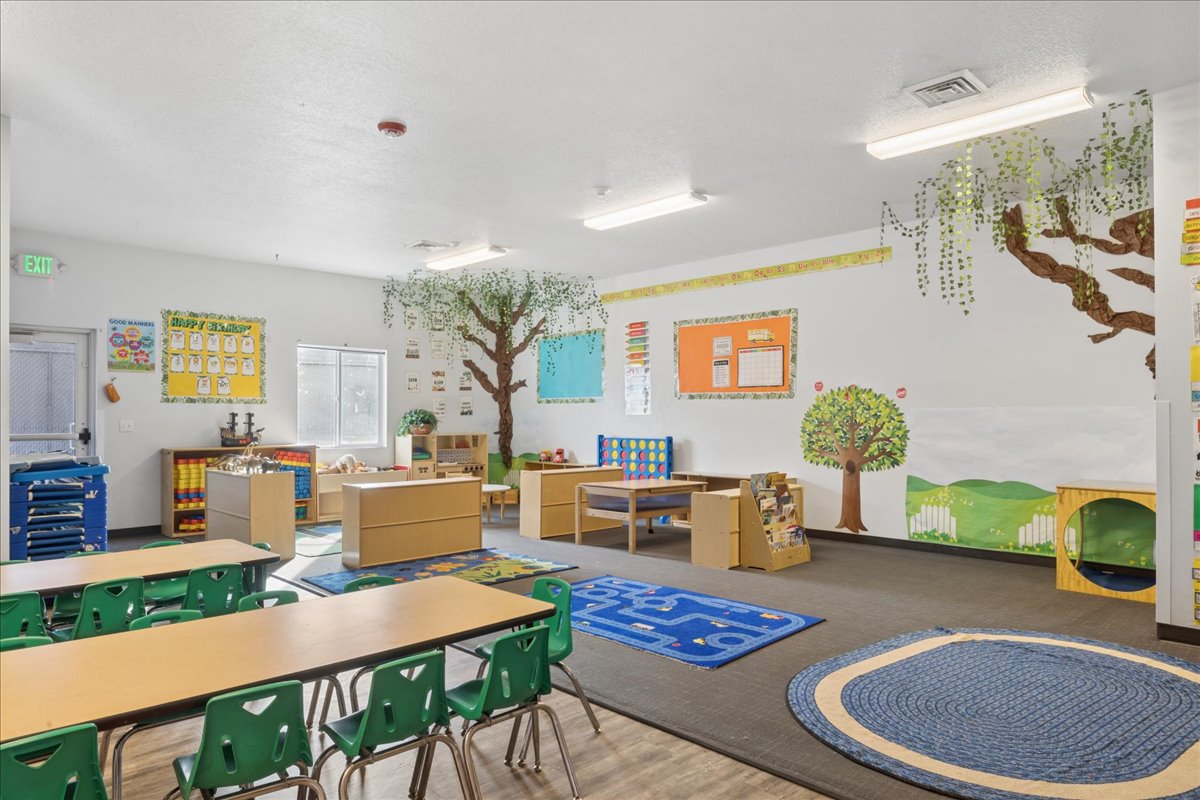
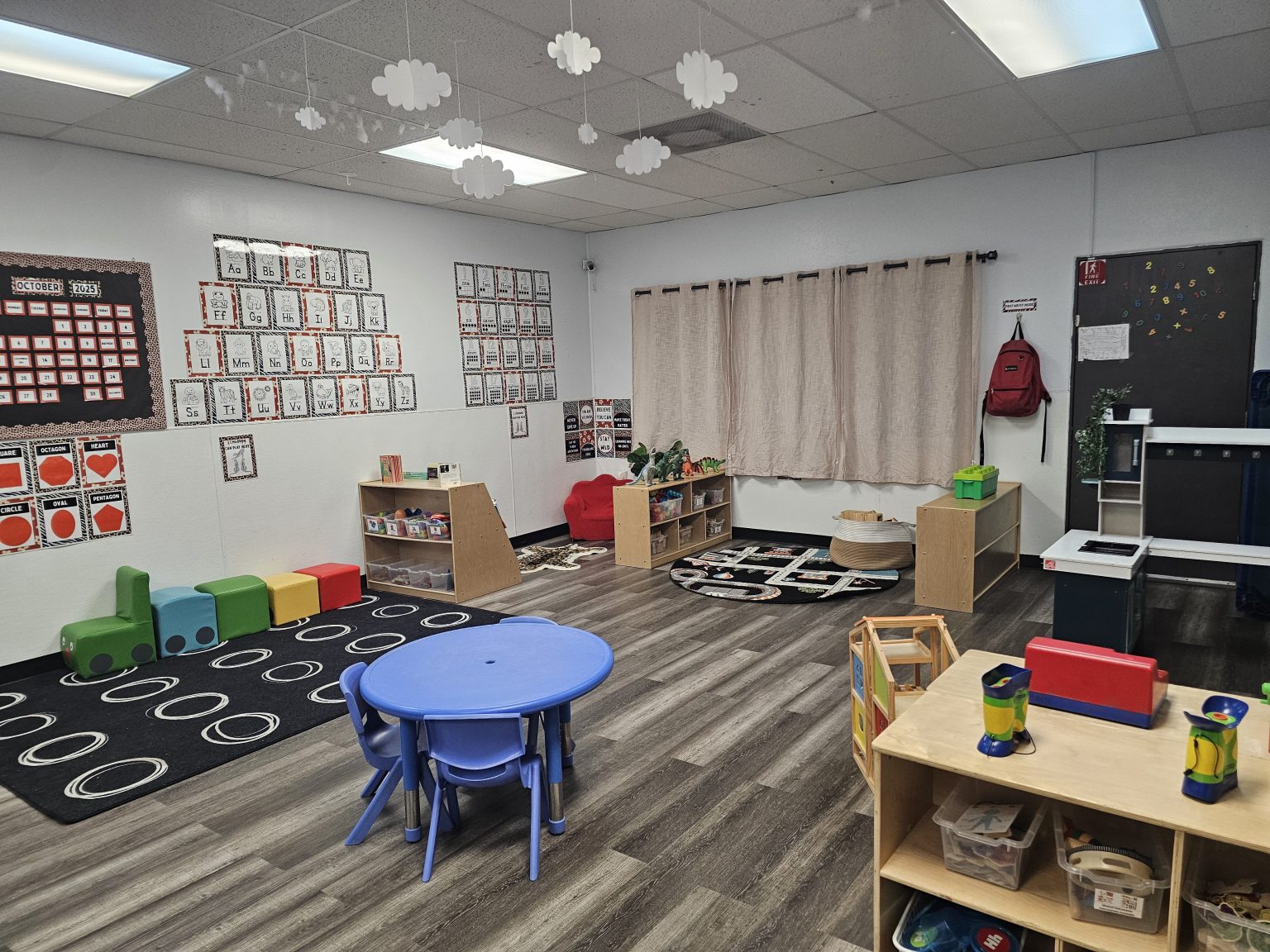
Parents often ask what actually happens between drop-off and pickup. The honest answer: a lot more than most people imagine. Here is a sample day from one of our preschool classrooms.
Welcome & Free Choice
Children arrive at their own pace, settle in, and choose an activity — art, blocks, books, or a quiet corner.
Morning Circle
Songs, calendar, weather, and the day's theme. Builds community and language skills.
Focused Learning Stations
Small-group rotations through literacy, math, science, and creative expression.
Outdoor Play
Gross motor activities, nature exploration, and free play in our safe outdoor space.
Lunch & Social Time
Fresh, balanced meals shared family-style. Conversation, manners, and connection.
Story & Rest
Read-aloud followed by quiet rest or nap time depending on each child's needs.
Creative Project
Open-ended art, music, dramatic play, or hands-on STEM exploration.
Afternoon Snack & Reflection
Healthy snack and a brief reflection on the day's discoveries before pickup.
How to Choose the Right Preschool Programs for Your Family
You'll tour multiple preschool programs and they'll all sound wonderful in the brochure. Here's a four-step framework that cuts through the marketing and helps you make the right decision for your child.
Tour at least three centers before you decide
Visit on a weekday morning when programs are in full swing. Watch how teachers talk to children, how children respond, and how the space actually functions. A polished tour doesn't tell you what daily life feels like — observation does.
Ask questions that go beyond the brochure
What happens when a child has a hard morning? How do you handle conflict between two kids? What is your sick policy? How long has your average teacher been on staff? The answers reveal how a center really operates.
Verify licensing, reviews, and references
Ask to see the current Utah license and the most recent inspection report — quality programs share both proudly. Read at least ten recent reviews and ask for two parent references you can actually call.
Trust your instincts
If something feels off, even when you can't say why, listen. The right preschool program leaves you feeling calm and confident on the drive home — not anxious. Your gut knows things your conscious mind hasn't put into words yet.
Questions Parents Ask About Preschool Programs
Here are the questions we hear most often from parents researching preschool programs in Utah.
How many hours a week is ideal for a preschool program?
Most early childhood experts recommend between 15 and 30 hours per week for ages 3–5. Less than 10 hours rarely allows children to build the deep peer connections that make preschool transformative. More than 35 hours may be too much for younger children. Watch your child for fatigue cues.
Will my child miss out by skipping preschool?
Children can still thrive without formal preschool, but research consistently shows quality programs give children a measurable advantage — especially in language, social skills, and emotional regulation. If preschool isn't an option, prioritize playgroups, library story times, and structured social experiences.
What's the difference between preschool and pre-K?
Preschool typically serves ages 3–4 with a strong play-based focus. Pre-K is designed for the year before kindergarten (usually age 4–5) and includes more direct preparation for school routines, letter recognition, and basic math concepts.
How do I know if a program is actually high-quality?
Look for low teacher-to-child ratios, teachers with early childhood credentials, a documented curriculum, open communication with parents, current Utah licensing, and visible warmth between staff and children. The vibe of the space matters as much as the credentials.
How much do preschool programs cost in Utah?
Costs vary significantly by program, schedule, and age. Half-day programs are generally less expensive than full-day. Many Utah families also explore state assistance and provider scholarships. We share current pricing during a tour with no pressure.
What should my child bring on their first day?
Most preschool programs ask for a change of clothes, a comfort item if needed, a water bottle, and any required medical forms. Avoid sending toys from home — they can complicate sharing and group dynamics in the early weeks.
See What Intentional Early Learning Looks Like
Tour Northstar and experience the difference a thoughtfully designed preschool program can make.