
When to Start Preschool: The Honest Answer
When to start preschool isn't a question with one right answer. Some children thrive at 2. Others aren't ready until 4. The truth is, age matters less than readiness, and readiness depends on your child, your family, and the program you choose.
This article walks through what readiness actually looks like, how to recognize it in your child, when in the year to start, and how to prepare for a smooth first day. By the end, you'll have a clear answer to the most important question: when to start preschool that works for your family.
Why Age Alone Isn't Enough
Most parents start by asking "what age should my child go to preschool?" But age is just one factor. A confident, social 2-year-old can outshine an anxious 4-year-old in a classroom. The best preschools look at the whole child, not just the birthday.
What Pediatricians Say About Preschool Age
The American Academy of Pediatrics and most child development experts agree: there's no magic age. What matters is whether your child shows the emotional, social, and physical readiness that lets them benefit from a classroom environment. Sources like HealthyChildren.org emphasize that family fit and program quality matter as much as the calendar.
The Real Question Is Readiness, Not Age
Instead of asking "when do most kids start preschool," ask "is my child ready?" This article gives you the tools to answer that honestly.
Common Ages to Start Preschool
Most children start preschool between ages 2 and 5. Each age comes with different strengths and considerations. Here's what to know about starting preschool at each age.
Starting Preschool at Age 2
Best for families needing childcare and children who already show independence. Most age-2 programs are play-based, with shorter days and a focus on socialization. Potty training usually isn't required at this age.
Starting Preschool at Age 3
The most common starting age. Age 3 is often when children are emotionally ready, can follow simple directions, and benefit most from structured social time. Most programs require potty training.
Starting Preschool at Age 4
Often called the Pre-K year. Children at this age dive deep into letters, numbers, social-emotional skills, and kindergarten readiness. A great option if you waited a year and want a focused, academic preschool experience.
Starting Preschool at Age 5
Less common but absolutely valid. Some children benefit from one focused year of preschool right before kindergarten. Look for programs with strong kindergarten preparation curriculum.
8 Signs Your Child Is Ready to Start Preschool
Wondering when to start preschool with your specific child? These eight signs are the clearest indicators of readiness, regardless of age.
Comfortable away from caregivers
Your child can spend time with grandparents, sitters, or playgroups without prolonged distress. Some separation anxiety is normal, but they recover within a few minutes.
Communicates basic needs
They can ask for water, the bathroom, help, or a snack using words, signs, or gestures. They don't need full sentences. They need a way to be understood.
Follows simple directions
"Please put your shoes away." "Time to wash hands." Your child can follow one or two step directions without constant repetition.
Plays well alongside others
Parallel play (playing next to other kids without much interaction) is normal at 2 to 3. By 3 to 4, look for some shared play, turn-taking, or interest in other children.
Manages emotions reasonably well
Tantrums are normal. The question is whether your child can recover, accept comfort, and re-engage within a reasonable time after upset.
Has basic self-care skills
Can your child handle eating, drinking, basic hand washing, and (if required by the program) the bathroom independently or with light help?
Shows curiosity about the world
Does your child ask questions, point at things, want to explore? Curiosity is the engine of early learning. Programs build on what's already there.
Can sit and focus for short stretches
Five to ten minutes of focused activity (a book, a puzzle, art) is enough. They don't need to sit still for an hour. They just need to engage.
Signs You Might Want to Wait to Start Preschool
Some children need more time, and that's completely okay. These signs suggest a few more months at home might help before you start preschool.
Significant separation distress
If your child shows extreme distress when separated from you for even short periods, more gradual exposure first may help before starting preschool full-time.
Very limited communication
If your child can't make basic needs known, even nonverbally, they may struggle to advocate for themselves at preschool. Build communication skills first.
Frequent physical aggression
Hitting, biting, or extreme reactions in social situations need work at home before a classroom setting. Many programs require this baseline.
Major life transition happening
New baby, move, parent illness, or other major change? Starting preschool on top of that can be too much. Wait until things settle.
When in the Year to Start Preschool
Beyond age, when in the calendar year you start preschool matters. Here are the three common starting points and what each one looks like.
Start in Fall
The traditional school-year start. Children begin with the rest of the class, build the year together, and follow a clear academic calendar.
Start Mid-Year
Many quality preschools accept mid-year enrollment. Best if your family schedule changes, your child becomes ready partway through the year, or a spot opens.
Start in Summer
Summer programs offer a low-pressure introduction with smaller groups and a relaxed pace. Perfect for testing readiness before committing to a full year.
How to Prepare Your Child to Start Preschool
Once you've decided when to start preschool, the next step is helping your child get ready. These preparation strategies make first-day jitters easier on everyone.
-
Visit the school together Schedule a tour with your child present. Walking through the classrooms, meeting future teachers, and seeing the space removes mystery and builds excitement.
-
Practice short separations Build up gradually. Start with 30 minutes at grandma's, then 2 hours with a sitter, then a half-day at a playgroup. Each small success builds confidence.
-
Read books about preschool Stories help children visualize what's coming. Books like "The Kissing Hand" or "Llama Llama Misses Mama" make starting preschool feel normal and exciting.
-
Practice the routine Pack a pretend lunch, walk to the car, talk through "what we'll do at school today." Repetition makes the first day feel familiar rather than strange.
-
Stay calm yourself Children pick up on parent anxiety. Your confident, matter-of-fact tone tells them this is safe and normal. Save your tears for after drop-off.
Questions to Ask Yourself Before You Start Preschool
The decision isn't just about your child. It's about your whole family. These questions help you check whether the timing is right for everyone.
Before You Decide When to Start Preschool
- Is my child showing most of the readiness signs above?
- Is our family schedule stable enough to commit to a consistent routine?
- Have I toured at least three programs to compare?
- Can our budget support tuition, registration, and supply fees?
- Am I emotionally ready for this transition myself?
- Does my child have a way to communicate needs to teachers?
- Have we practiced short separations successfully?
- Is there a major life transition happening right now?
How to Test the Waters Before You Start Preschool
Not ready to commit to a full preschool year? You can ease into it gradually. Many families use these stepping stones to figure out when to start preschool with confidence.
Try a parent-and-me class first. Then a short playgroup without parents. Then a half-day preschool program a few days a week. Each step builds your child's confidence and gives you real-world readiness signals. By the time you commit to a full preschool program, both of you will know it's the right call.
When to Start Preschool at Northstar in Utah
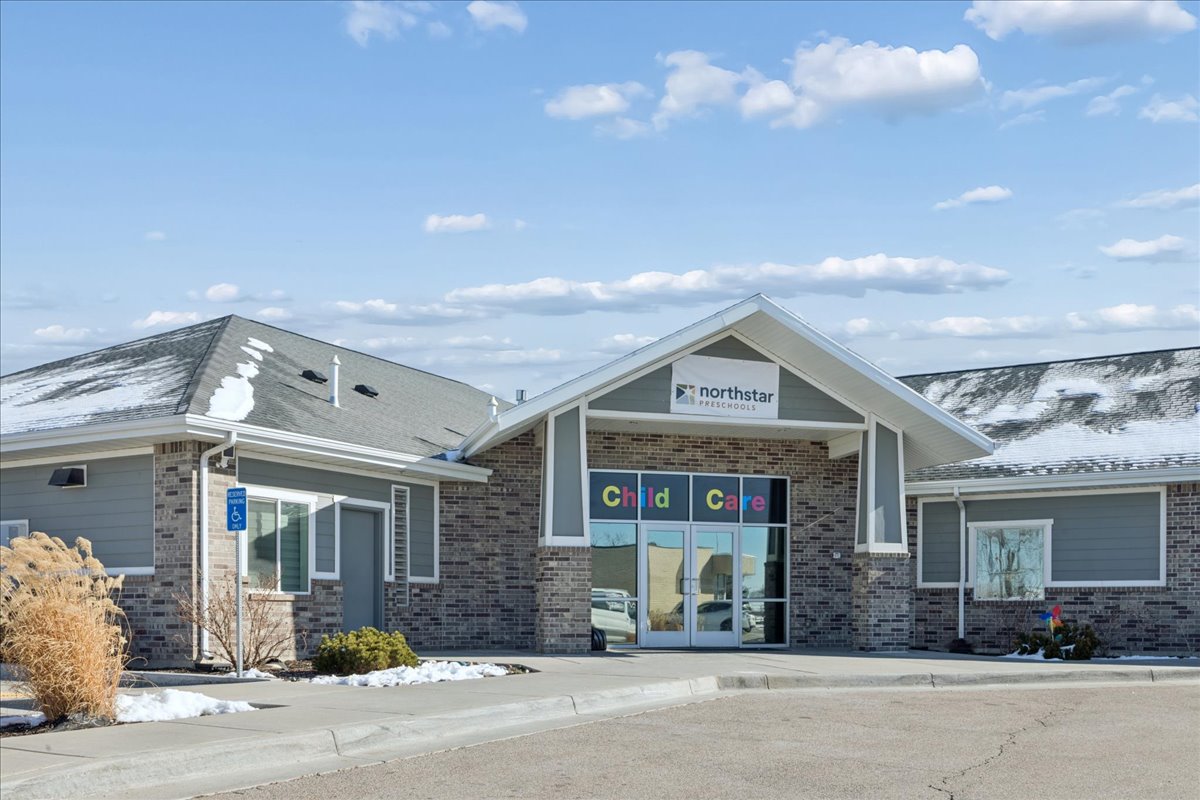
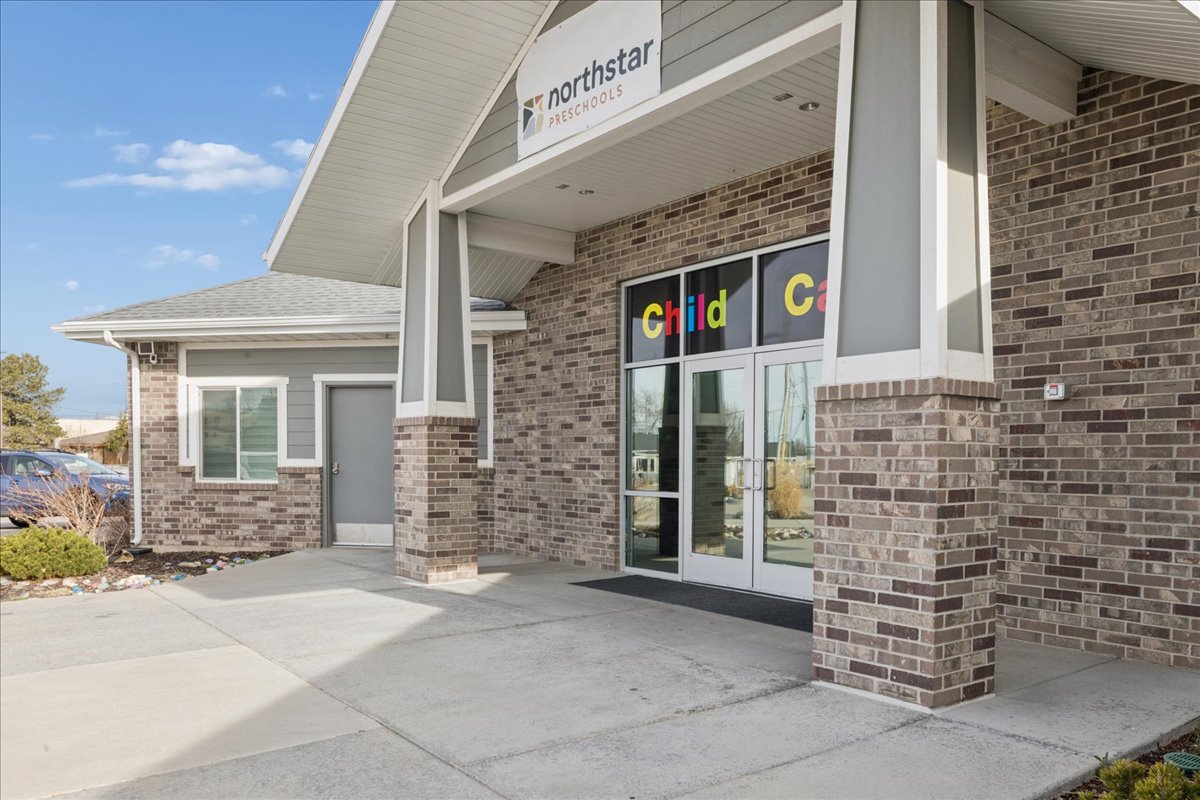
Northstar serves families across northern Utah with flexible enrollment options for every age and readiness level. Whether your child is ready at 2, 3, 4, or 5, we have programs designed to meet them where they are.
Locations across northern Utah
Three Northstar locations serving Pleasant View, Roy, and East Ogden, with families coming from Ogden, North Ogden, Farr West, Harrisville, West Haven, Hooper, and Clinton.
Programs by age
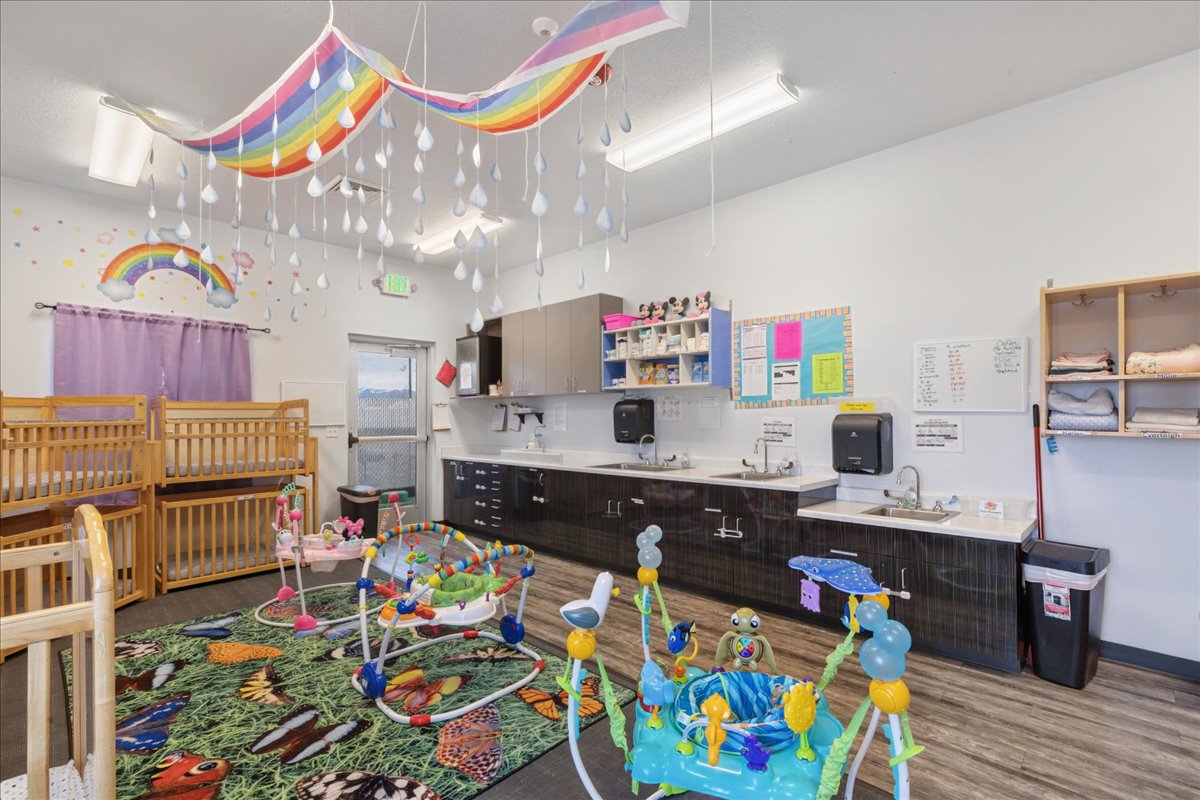
We welcome children from 6 weeks through age 12 at our East Ogden location, with classroom groupings by age and developmental stage. Toddler, Twos, Preschool, and Pre-K programs are all available depending on location.
Flexible enrollment
Fall start, mid-year start, or summer try-out. We work with families to find the right time to start preschool for each child.
What Utah Parents Say About Starting Preschool at Northstar
Families across northern Utah have trusted Northstar with their child's first school experience. Here's what they say.
We waited until age 4 with our oldest and started at 3 with our youngest. Northstar made both transitions feel completely natural for our family.
I worried our son wasn't ready. The teachers showed us all the small wins he was already having. By month two, he was thriving.
Northstar let us start in January instead of September. That flexibility meant our daughter was ready when WE were ready, not on someone else's schedule.
Best advice I got: don't overthink when to start preschool. Trust your child and a good program will meet them where they are. Northstar proved that.
Frequently Asked Questions About When to Start Preschool
What is the most common age to start preschool?
Most children start preschool between ages 3 and 4. Age 3 is the most common starting age in the United States, when most children are emotionally and socially ready for a classroom environment. Some families choose to start earlier at age 2, others wait until 4 or 5.
Is 2 too early to start preschool?
No, 2 is not too early for many children. Plenty of quality preschools serve 2-year-olds with play-based, age-appropriate programs. The key is finding a program designed for that age, not one that expects 3-year-old skills from a 2-year-old.
How do I know if my child is ready for preschool?
Look for the 8 readiness signs above. Children who can separate from you for short periods, communicate basic needs, follow simple directions, and engage with other kids are typically ready. Age matters less than these social-emotional skills.
Does my child need to be potty trained before starting preschool?
It depends on the program. Most age-2 programs don't require potty training. Most age-3 and above programs do. Always ask about the specific potty training policy before enrolling.
Can I start preschool mid-year?
Yes. Many quality preschools accept mid-year enrollment as space allows. Mid-year starts are common when a family schedule changes, a child becomes ready partway through the year, or a spot opens at a desired program.
How long should my child's first day of preschool be?
If possible, start with a half-day or shortened day. Many programs offer a phase-in week with gradually longer days. This helps both you and your child adjust without overwhelm.
What if my child cries every day at drop-off?
Some tears at drop-off are normal for the first few weeks. Most children settle within 5 to 10 minutes after parents leave. If distress lasts longer than 4 to 6 weeks consistently, talk with the program about whether timing or fit needs adjusting.
Ready to Start Preschool at Northstar?
Tour our Pleasant View, Roy, or East Ogden locations and see what age-appropriate preschool looks like for your child.