If you're reading this through tears or guilt after a hard drop-off, you are not alone — and your child is going to be okay. Separation anxiety is a sign of love, not a sign of failure.
Understanding Separation Anxiety at Daycare
When you're searching for a daycare for kids with separation anxiety, every cry at drop-off can feel like proof you're doing something wrong. You're not.
Separation anxiety is one of the most normal — and most misunderstood — parts of early childhood. Understanding what it actually is helps you respond with calm instead of panic, and it helps you spot a daycare for kids with separation anxiety that truly knows how to handle it.
What Separation Anxiety Actually Looks Like
Separation anxiety is the distress a child feels when they're apart from a primary caregiver. It can show up as tears at drop-off, clinging behaviors, tummy aches, or just a quieter, less engaged version of your normally bubbly kid.
It's not a personality flaw. It's not a discipline issue. It's a developmental phase rooted in the deep attachment your child has formed with you.
Why It Happens (and Why It's Completely Normal)
Children experience separation anxiety because they love you and don't yet have the cognitive tools to fully trust that you're coming back. As they grow, that trust builds — and the anxiety fades.
According to Nemours KidsHealth, separation anxiety is most common between 8 months and 3 years, but it can resurface during major life transitions at any age — including school-age years.
How School-Age Separation Anxiety Differs from Toddler Anxiety
Most articles on separation anxiety focus on toddlers. But school-age children — ages 5 to 12 — can experience it too. The triggers tend to be different: a change in care, a new sibling, a recent move, a divorce, or even a long summer at home before returning to a daycare or after-school program.
Older kids may not cry openly, but they may complain of stomachaches, resist getting in the car, or grow quiet about their day. A good daycare for kids with separation anxiety understands that these older signs are just as real as a toddler's tears.
Signs Your Child Has Separation Anxiety at Daycare
Knowing the signs helps you respond with empathy instead of frustration. Here's what to watch for at each age.
Common Signs in Toddlers and Preschoolers
- Crying or clinging at drop-off
- Tantrums in the parking lot or doorway
- Trouble sleeping the night before
- Tummy aches, headaches, or "I don't feel good"
- Regression in potty training or sleep
- Refusal to put on shoes or get in the car
Signs to Watch For in Older Children
- Stomachaches or headaches before daycare
- Resistance to getting ready in the morning
- Quieter or more withdrawn than usual
- Excessive worry about you or "what if" questions
- Loss of appetite or trouble sleeping
- Asking to stay home repeatedly
When to Wait It Out vs. When to Worry
Mild separation anxiety usually fades within a few weeks of starting a new daycare. If your child cries at drop-off but is calm and engaged within 10–15 minutes, that's a healthy adjustment.
Reach out to a pediatrician if separation anxiety lasts more than 4 weeks, gets worse instead of better, includes panic attacks, or interferes with sleep, eating, or daily activities. These can be signs of a more serious separation anxiety disorder — and it's something a professional can help with.
What to Look For in a Daycare for Kids with Separation Anxiety
Not every daycare for kids with separation anxiety is equipped to handle it with the patience and intentionality it deserves. Here's what truly supportive programs do differently. (For broader guidance, see our guide to choosing a trusted preschool.)
Trained, empathetic staff
Teachers who understand child development and have experience helping anxious children settle in calmly and consistently.
Gradual transition plans
A great daycare for kids with separation anxiety offers short first days, parent shadow visits, or staggered start dates so your child adjusts at their own pace.
Comfort items and transitional objects welcomed
A family photo, a soft toy, a small blanket — supportive daycares understand these aren't distractions, they're anchors.
Real-time photo and communication updates
Daily photos and notes throughout the day help parents see their child happy and engaged after a tough goodbye.
Consistent routines and predictable schedules
Predictability creates safety. Look for a daycare with a clear daily rhythm your child can come to know and trust.
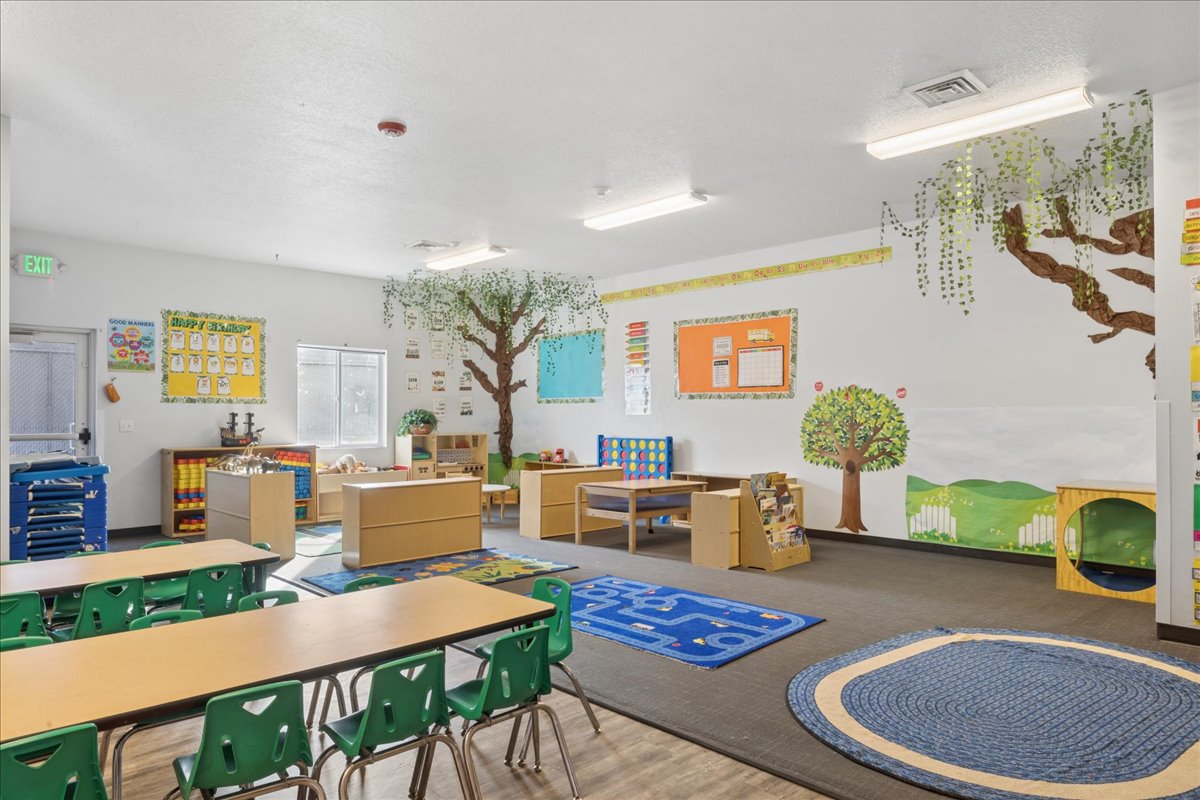
Calm, low-stimulation environments
Bright, loud, chaotic spaces can amplify anxiety. The best programs offer calm corners, soft lighting, and quiet zones for kids who need them.
Red Flags: Daycares NOT Equipped for Separation Anxiety
If you spot any of these on a tour or during early conversations, take it seriously. Your gut is usually right.
Dismissive attitude toward tears
"Oh, they'll get over it" without a real plan is a sign the staff hasn't been trained in emotional support.
No transition plan offered
Quality daycares offer phased start dates and parent visits. Programs that throw kids in cold often struggle with separation issues long-term.
Rigid drop-off policies
A center that doesn't allow you to walk your child to their classroom, or rushes you out the door, isn't prioritizing your child's emotional safety.
Limited communication throughout the day
"You'll hear from us if anything happens" isn't enough for anxious parents. Strong programs send real-time updates and photos so you can see your child settling in.
How to Help Your Child Prepare for Daycare
The work doesn't only happen at the daycare for kids with separation anxiety. The way you prepare at home matters just as much as the program you choose.
-
Practice short separations at home Start with brief, low-stakes separations — a 30-minute errand, a grandparent visit — so your child experiences you leaving and coming back.
-
Talk about daycare positively Use warm, curious language. "I wonder what game you'll play today!" beats "Be a brave kid for me." Frame daycare as an adventure, not a test.
-
Create a goodbye ritual A consistent goodbye — a hug, a hand squeeze, a special phrase like "see you after lunch" — gives your child a predictable closure they can rely on.
-
Send a comfort item or family photo A small object from home can be a powerful anchor. Many children carry a family photo in their pocket for the first few weeks.
-
Establish a consistent morning routine Predictability reduces anxiety. The same wake-up time, breakfast, and drop-off routine signals to your child that the day is safe and known.
How Northstar Supports Kids with Separation Anxiety
Every item on the checklist above is part of how we run our centers. Northstar isn't just a daycare for kids with separation anxiety — it's a daycare in Utah built for them.
Our gradual transition approach
Short first days, parent visits, and phased starts so your child adjusts at their own pace, not someone else's timeline.
Comfort items always welcome
Family photos, soft toys, small blankets — your child's anchor to home stays with them as long as they need it.
Real-time photo and message updates
You'll see your child laughing, eating, and playing through our parent app — usually within the first hour after a tough drop-off.
Trained staff who truly understand
Every Northstar teacher is trained in early-childhood emotional support — because tears at drop-off deserve patience, not dismissal.
Learn more about our preschool programs and how we design every part of the day to support emotional safety.
What Utah Parents Say About Their Child's Transition
The hardest mornings are the ones nobody talks about. Here's what Utah families experienced when they switched to Northstar.
My daughter cried at drop-off for two weeks at her last daycare. At Northstar, she settled in by day three. The difference was the staff.
They let my son bring a photo of our family for his cubby. Such a small thing — but it was the first thing that actually helped.
The daily photos saved my sanity. I could see my daughter happy and playing within an hour. That changed everything for me.
My older son had a tough transition after our move. The Northstar team gave him space and patience instead of pushing him to "get over it."
Frequently Asked Questions About Separation Anxiety at Daycare
At what age does separation anxiety typically peak?
Separation anxiety usually peaks between 10 and 18 months and gradually fades by age 3. However, it can resurface at any age — especially during transitions like starting a new daycare, after a move, or returning from a long break.
How long should I expect separation anxiety to last?
For most children, separation anxiety at a new daycare fades within 2–4 weeks. If it's worsening rather than improving after a month, talk to your daycare staff and consider consulting your pediatrician.
Should I sneak out or say goodbye?
Always say goodbye. Sneaking out may feel easier in the moment, but it teaches your child to mistrust their environment. A short, warm, predictable goodbye is the gold standard.
My older child has separation anxiety — is that normal?
Yes. School-age separation anxiety is real and often misunderstood. It can be triggered by life changes, transitions in care, or general anxiety. A daycare for kids with separation anxiety should welcome older children just as warmly as toddlers.
When should I be concerned about separation anxiety disorder?
If anxiety lasts more than 4 weeks, gets worse over time, includes panic symptoms, or interferes with sleep and eating, it may be worth talking to your pediatrician about separation anxiety disorder. The KidsHealth guide on separation anxiety is a great starting resource.
How can I tell if my child is unhappy or just adjusting?
If your child cries at drop-off but is calm, engaged, and happy within 10–15 minutes — and through the rest of the day — that's adjustment. If they remain distressed for hours or report consistently bad days, it's worth investigating further.
Ready to Find a Daycare That Understands Your Child?
Tour Northstar and see firsthand how we welcome every child — with patience, presence, and the time to make goodbye feel safe.